

Convergence Insufficiency is a very common visual issue that is frequently misdiagnosed as lazy eye, is difficult to notice by the observer, and is not recognized by the normal 20/20 eye test. Convergence Insufficiency affects approximately five out of every hundred children and adults.
What is convergence insufficiency?
Convergence Insufficiency is a vision impairment that impairs the capacity of the eyes to function cooperatively, hence the term “convergence.” The eye muscles must cooperate to bring the images from both eyes into focus. If these muscles do not function properly, it can result in difficulty seeing up close. Convergence insufficiency can be challenging to detect because the symptoms are inconsistent and vary widely between individuals. There is now a lengthy testing process before your physician determines whether you have convergence insufficiency. Once diagnosed, you might be evaluated for glasses that tackle convergence insufficiency specifically, such as prism lenses and low plus lens strength.
How is it diagnosed?
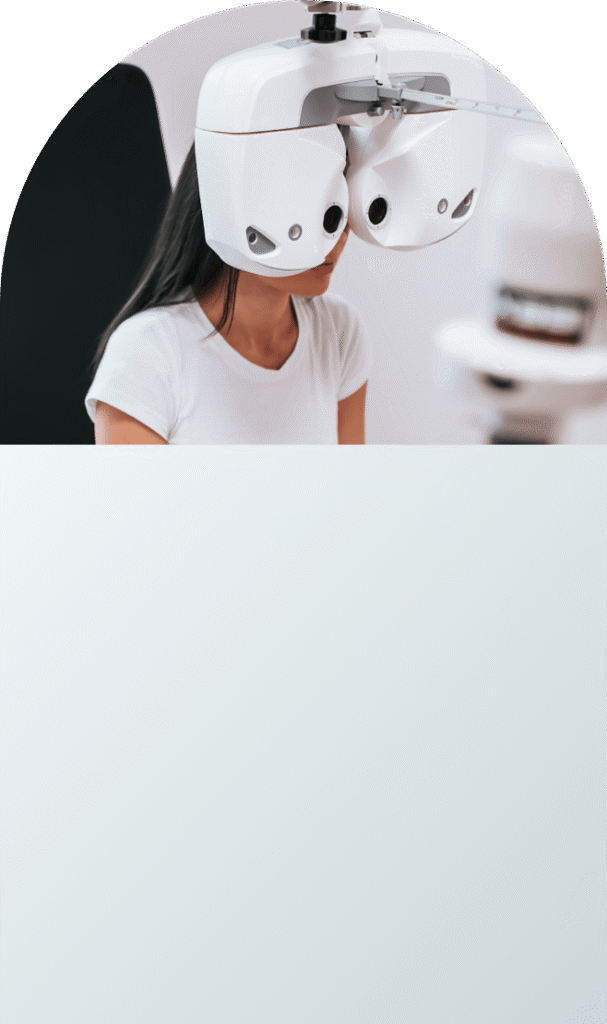
When your doctor suspects that you have convergence insufficiency, he or she will do a comprehensive eye examination.
The tests will almost certainly contain the following:
- Convergence point is approaching. Your physician instructs you to close one eye and focus on an object. The object is then moved closer to your nose until you notice the double vision. The distance to that location is determined, as well as the time required for the double vision to vanish.
- Cover examination. This exercise assesses your eyes’ ability to cooperate cooperatively. Your doctor instructs you to focus both eyes on an object without moving your head. When you follow an object, he or she covers each eye and ensures that each eye moves appropriately and in rhythm with the other.
- Phoria examination. This test measures your eyes’ ability to cooperate when they are not focused on something close up (near point). Your doctor will insert a prism in front of one of your eyes and adjust it so that you see two pictures instead of one. Then he or she repositions the prism so that you only see one image (the point at which your eyes converge).
If the doctor discovers an issue with these tests, he or she may recommend you to an eye care practitioner who specializes in kid vision disorders (pediatric optometrist).
What are the treatment options?
- The first step for treating convergence insufficiency is to have your doctor prescribe a home-based vision therapy program.
- These programs usually include daily exercises that you’ll perform at home and office visits to check the progress of your treatment.
- Vision therapy is a type of physical therapy for your eyes and brain. It’s designed to improve your ability to focus on objects and maintain eye alignment when performing close work, like reading or working on a computer.
- During each session, your doctor will ask you to perform certain eye exercises using special prisms, lenses, and other tools.
- Some of the tools used in vision therapy include:
Computerized vision training glasses (also called synoptophore)Computerized games (to train eye movement)Prisms or lenses (to train the eyes to align properly)Projectors (to project images onto a wall while wearing the prisms or lenses)
If you are experiencing any of the symptoms below, you may have convergence insufficiency:
- Difficulty maintaining focus on objects up close
- Excessive blinking or rapid eye movements
- Eyestrain, headache, and fatigue after reading or doing close work
- Double vision
- Reduced ability to concentrate
- Avoidance of reading and other close work
It is important to know that this condition can be treated and may not require a full-blown vision correction. When it comes to your eye health, it’s best to get an accurate diagnosis from an eye care professional so you can receive the right treatment for your particular symptoms. If you think you might be experiencing symptoms of CI, don’t wait any longer—get in touch with Advanced Eyecare Center, PC today