

Key Takeaways
- Original Medicare skips routine eye exams and most glasses, focusing instead on medically necessary care.
- Part B helps pay for glaucoma tests, diabetic retinopathy screenings, and macular degeneration diagnostics.
- After cataract surgery, Medicare can cover one pair of glasses from an enrolled supplier.
- Medicare Advantage plans often add routine exams and eyewear allowances.
- You typically pay 20 percent coinsurance plus your Part B deductible on covered services.
Between work deadlines and family schedules, you want a clear answer about what Medicare pays for, and our team at Advanced EyeCare Center P.C. can help you sort it out.
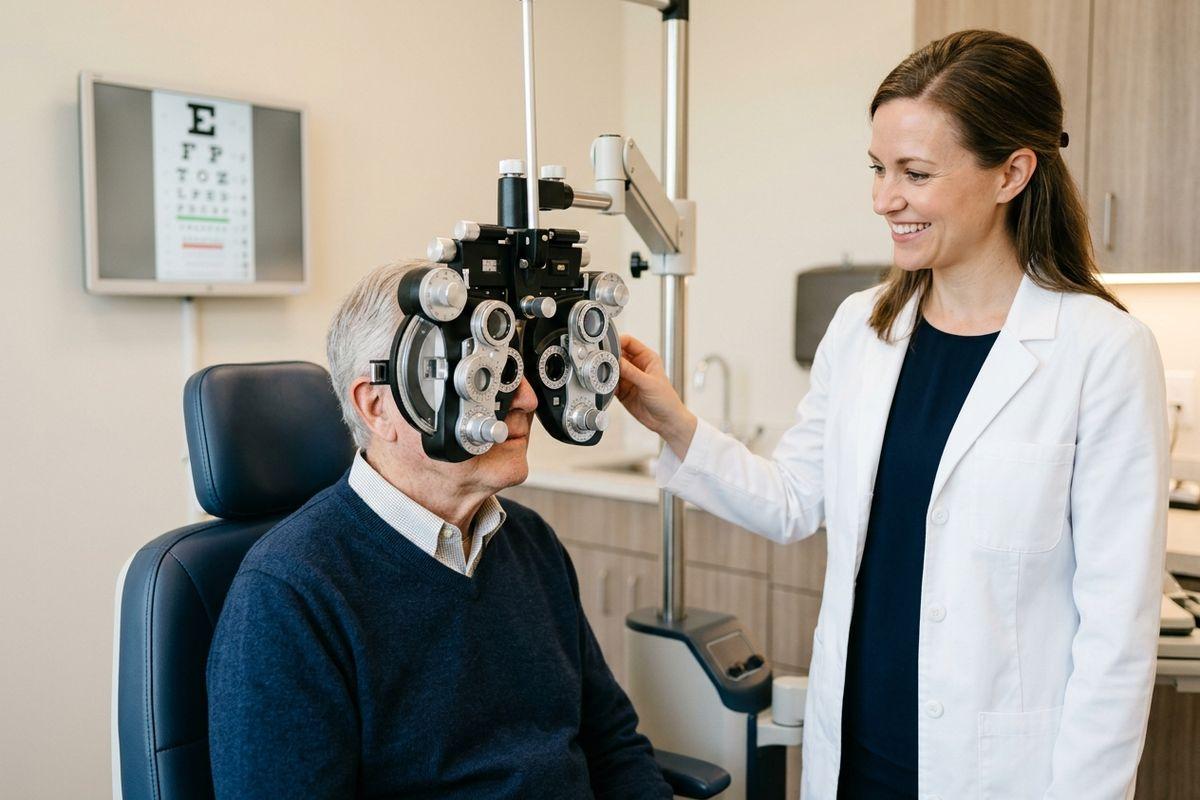
Original Medicare, Parts A and B, does not cover routine eye exams, and it usually leaves out glasses and contacts too.
Parts A and B stay focused on care that treats a medical condition. So a checkup just to update your prescription falls outside that scope. If you rely on Original Medicare alone, plan to pay for those routine visits and everyday eyewear yourself.
Eye Exams and Tests Medicare Part B Pays For
Part B does step in when there’s a medical reason. If a health condition puts your eyes at risk, several tests can qualify for coverage, including:
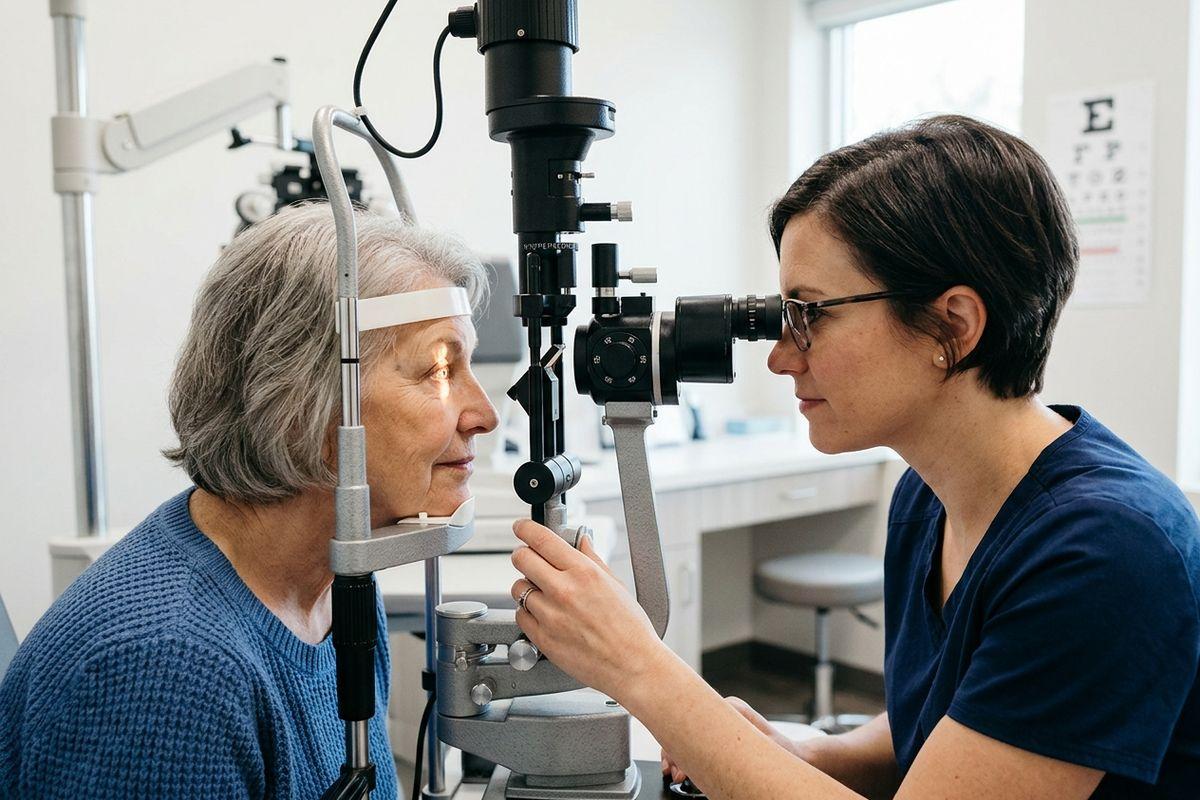
- A yearly glaucoma test if you’re considered at higher risk.
- A diabetic retinopathy screening once a year if you have diabetes.
- Diagnostic tests and treatment for macular degeneration.
These visits look for changes inside your eyes that can affect how you see over time. Catching them early gives your eye doctor more room to help manage them.
Coverage After Cataract Surgery
Cataract surgery is one place where Part B stretches a little further. After the procedure to implant a standard lens, Medicare can help cover one pair of glasses or one set of contact lenses.
There’s a catch worth noting. You need to get those lenses from a supplier enrolled in Medicare, or the coverage won’t apply.
How Medicare Advantage Adds Vision Benefits
Medicare Advantage, also called Part C, comes from private insurers approved by Medicare. These plans bundle your Part A and Part B coverage, and many add extras that Original Medicare skips.
Vision is often one of those extras. A plan might include a routine exam each year plus an allowance toward glasses or contacts.
Benefits differ from one plan to the next, so read your plan details before you book. A quick call to your insurer can confirm what your exam and eyewear coverage looks like this year.
What You Pay Out of Pocket
Even with covered services, you share some of the cost. Knowing the numbers ahead of time makes budgeting easier.
- You pay 20 percent coinsurance on covered Part B services after coverage kicks in.
- Your Part B deductible applies first, before Medicare pays its share.
- You cover the full cost of routine exams and everyday glasses.
Programs That Help with Vision Costs
Cost doesn’t have to stand between you and good eye care. A few programs help bridge the gap for people who qualify, including:
- EyeCare America connects qualifying lower-income adults with volunteer eye doctors.
- Local Lions Club chapters and New Eyes help with glasses for those in need.
- The State Health Insurance Assistance Program, or SHIP, offers free Medicare counseling.
A short conversation with one of these groups can point you to savings you didn’t know existed.
Book Your Next Eye Exam in Urbandale
Your family’s eyes deserve care that fits real life. That means routine checkups, specialized treatments, and follow-up visits all handled in one calm, welcoming space.
Our team at Advanced EyeCare Center P.C. pairs modern tools with unhurried, personal attention. Whether you’re sorting out Medicare coverage or simply due for a checkup, help is close by.
Reach out to Advanced EyeCare Center P.C. today to schedule your eye exam and let our team be part of your eye care journey.