
Key Takeaways
- Styes don’t spread from person to person through everyday contact.
- A stye forms when an oil gland along your eyelid gets blocked and traps bacteria.
- Warm compresses a few times a day can help most styes calm down.
- Clean hands, fresh makeup, and clean pillowcases help lower your risk.
- See an eye doctor if a stye lasts more than a week or keeps coming back.
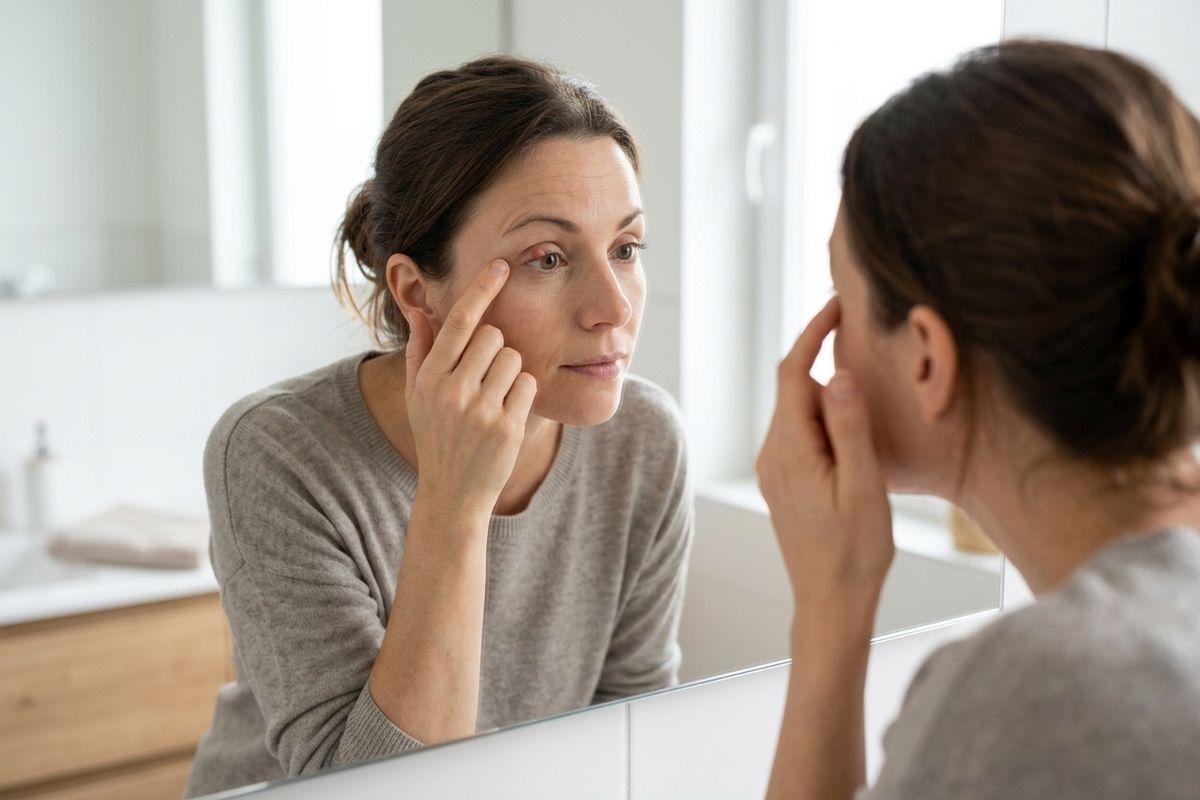
You wake up, glance in the mirror, and spot a tender red bump on your eyelid. Your first worry might be passing it to your kids or a loved one. At Advanced EyeCare Center P.C., our team hears that worry often.
Styes are not contagious, so you can’t catch one from someone or hand one off through a hug, a shared bathroom, or a day at the office. The bacteria involved already live on everyone’s skin, including yours. There’s no reason to stay home or keep your distance from family. A stye is a local flare-up in a small gland, not something that travels from person to person.
How Styes Actually Form
Your eyelids are lined with tiny oil glands that keep the surface of your eyes smooth. When one of those glands gets blocked, oil and bacteria collect behind the clog. The area swells into the sore bump you notice, usually over a few days rather than all at once.
External and Internal Styes
An external stye sits right along the lash line. It looks like a small red bump you can see and feel with a light touch. An internal stye forms deeper inside the eyelid, so the swelling can feel more tender and often spread across a wider spot.
Styes and Chalazion
A stye tends to feel painful and look red and irritated. A chalazion is different. It shows up as a firm, typically painless lump that lingers after a stye settles down. Knowing which one you have can shape how you care for it.
Signs and Risk Factors
Most styes announce themselves early, so you can start home care right away. Paying attention to a few small signs helps you tell a stye apart from everyday eye irritation. Symptoms to watch for can include:
- A tender, swollen spot on your eyelid
- A small yellow or white center on the bump
- Crusting along the lashes and sensitivity to bright light
What Raises Your Risk
Some daily habits can increase the likelihood of a blocked gland. The good news is that most of them are easy to adjust once you notice them.
- Rubbing your eyes with unwashed hands
- Sleeping in eye makeup overnight
- Holding onto old cosmetics or skipping steps in your contact lens routine
Home Care and Simple Prevention
A warm compress is a simple way to help a stye drain and calm down at home. The warmth softens the clog so your body can clear it on its own. Follow these steps:
- Wash your hands before you touch the area.
- Hold a warm, damp cloth against the eyelid for 10 to 15 minutes.
- Repeat 3 to 4 times a day until the bump softens.
Habits That Can Lower Risk
Small changes can go a long way while a stye heals. Skip eye makeup until the bump is gone. Reach for clean towels and swap your pillowcase often. And resist the urge to pop or squeeze it, since pressing on a stye can push bacteria deeper and slow things down.
How Long Does a Stye Last?
Most styes start to improve within 3 to 5 days once you begin warm compresses. Full healing usually takes 1 to 2 weeks.
When to See an Eye Doctor in Urbandale
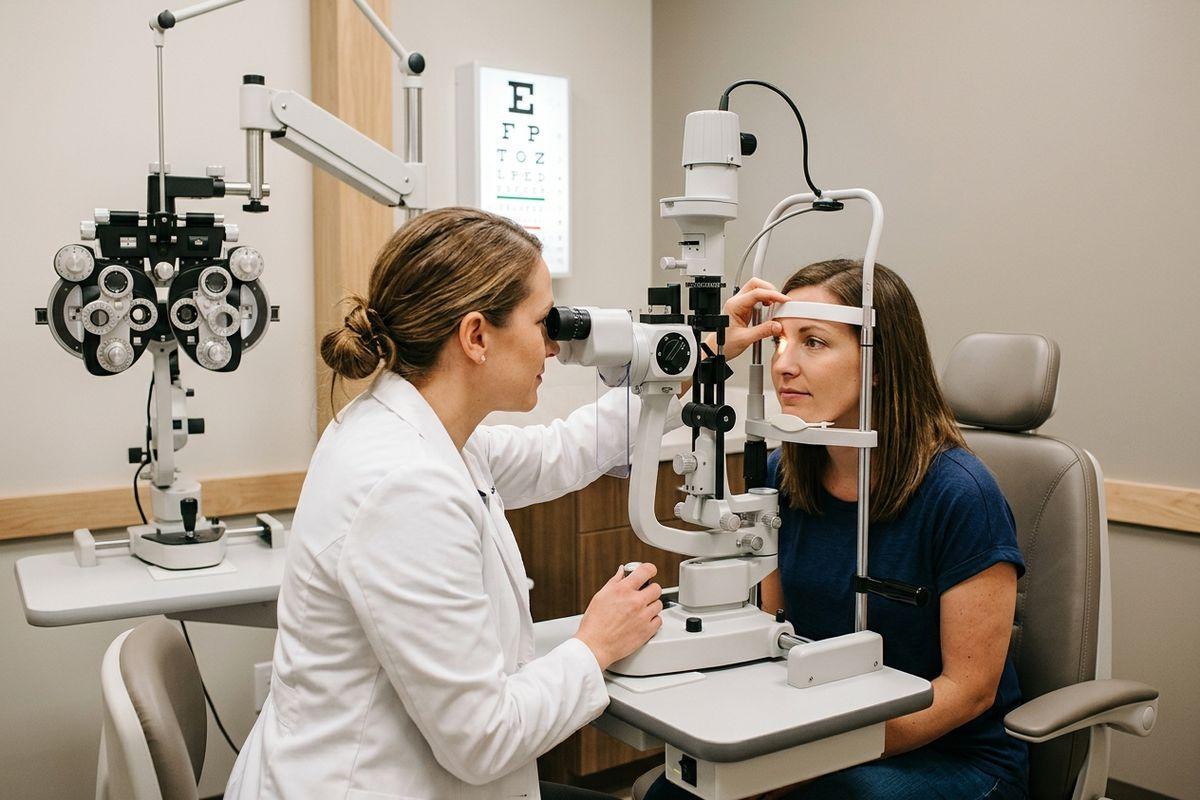
Sometimes a stye needs a closer look. If home care isn’t moving things along, an eye doctor in Urbandale can check what’s happening and guide the next step. See your eye doctor if:
- There is no improvement after a full week of home care
- Visible redness spreads, or there are any changes in your vision
- Styes keep coming back or show up often
We Can Help
Life moves fast when you’re balancing work and family, and a sore eyelid shouldn’t slow you down. Our team at Advanced EyeCare Center P.C. can help you find relief and keep your eyes comfortable for the busy days ahead. If you’re looking for an eye doctor in Urbandale, reach out to schedule your eye exam today.