
Key Takeaways
- Myopia means close objects look clear while distant ones turn blurry.
- Hyperopia means distant objects look clear while close-up work turns blurry.
- The difference comes down to where light focuses inside your eye.
- Both share signs like squinting, tired eyes, and headaches.
- An eye exam can pinpoint which one affects you and guide the right correction.
Reading your phone feels simple, yet a street sign down the block looks fuzzy. Or maybe the opposite happens, where far-off objects stay sharp while the words in your book blur. These small moments hint at two common vision differences, and knowing which one you have can shape how you move through your day. At Advanced EyeCare Center P.C., the team helps you sort out what’s happening and find a fix that suits your routine.
Myopia and hyperopia are both refractive errors, and the difference comes down to where light focuses in your eye, in front of the retina with myopia and behind it with hyperopia. A simple eye exam can tell you which one you have.
How Your Eyes Focus Light
Your eyes work a bit like a camera. Light passes through the clear front layer called the cornea, then moves through the lens behind it. Together, they bend that light and aim it at the retina, a thin layer at the back of your eye that sends images to your brain.
When everything lines up, the focus point lands right on the retina, and what you see looks sharp. When the focus point misses the retina, images turn soft and blurry.
The shape and length of your eye play a big role here. A slight change in either one can shift where light lands, and that shift shapes what you see every day.
What Is Myopia?
Myopia, often called nearsightedness, means you can read your phone or a book with ease, but a street sign down the block looks fuzzy. Close objects stay clear, while anything at a distance loses detail.
This one often shows up in childhood and can grow as a child grows. Eye length and family history both tend to play a part, so if a parent has it, a child may too.
Signs of Myopia
Distance blur can sneak up slowly. Watch for these clues:
- Trouble reading road signs or the board at school
- Squinting to sharpen faraway objects
- Eye strain and headaches after looking into the distance
What Is Hyperopia?
Hyperopia, or farsightedness, flips the picture. Distant objects can look clear, while close tasks like reading a menu or threading a needle turn blurry.
Young children often have some hyperopia, and many outgrow it as their eyes grow longer. It usually ties back to an eye that’s shorter than average or a cornea that’s flatter than average, which pushes the focus point behind the retina.
Signs of Hyperopia
Blurry near work tends to be the first hint. Look for these other signs:
- Tired eyes after focused close-up work
- Headaches during near tasks

Key Differences and Overlaps Between Myopia and Hyperopia
The core difference is simple. With myopia, light focuses in front of the retina. With hyperopia, the focal point is behind the retina. That one detail explains why one blurs the distance and the other blurs close-up.
They share more symptoms than you might expect. Squinting, eye strain, and headaches can show up with both, making them tricky to tell apart on your own. Both are refractive errors, meaning the eye bends light a little off target, and both are common across all ages.
How to Know Which One You Have
Pay attention to when the blur happens. If distance gives you trouble, myopia may be the reason. If close work does, hyperopia may be at play.
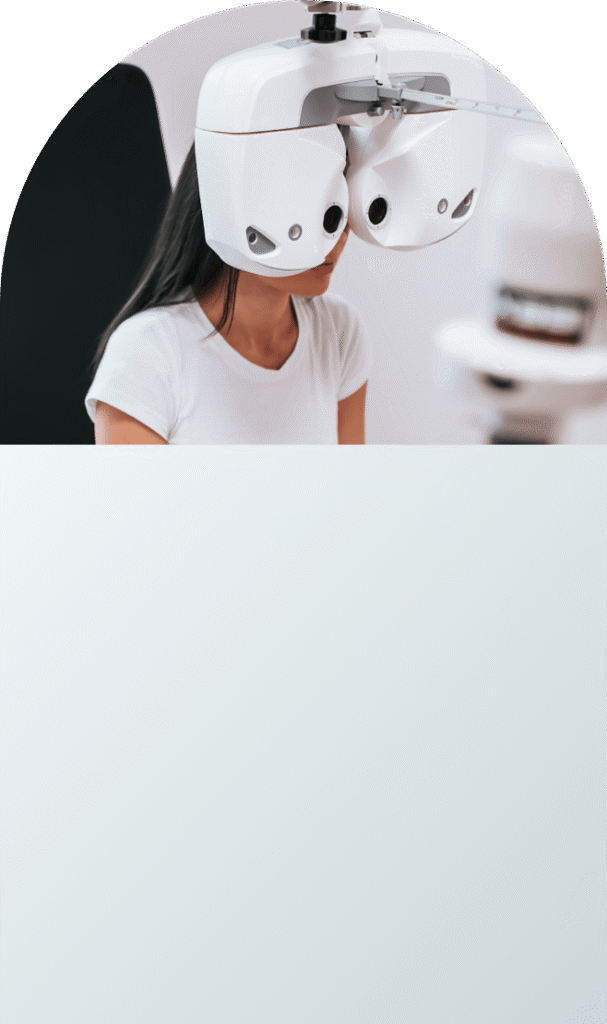
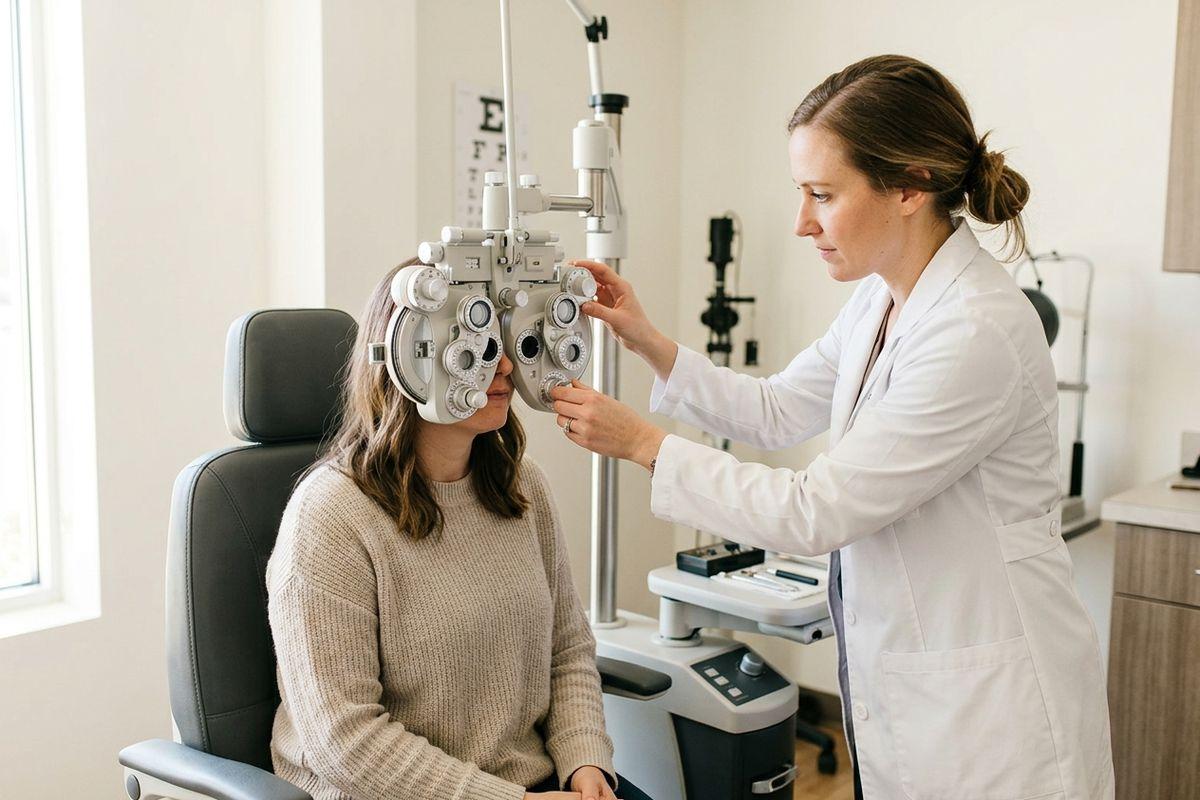
Still, guessing only goes so far. An eye exam with an eye doctor in Urbandale can give you a clear answer and a plan you can act on.
Options for Clearer Vision
Both myopia and hyperopia respond well to correction. Glasses and contact lenses are the everyday choice for most people, and they can sharpen your view whether the blur sits near or far.
For eligible adults, procedures like LASIK or PRK reshape the cornea to help reduce the need for glasses. In select cases, a lens exchange may be an option worth discussing. An eye doctor can walk you through what fits your eyes and your daily routine.
When to Book an Eye Exam
A few signs are worth acting on sooner rather than later:
- Blurry vision at any distance, near or far
- Frequent squinting or headaches
- Trouble seeing clearly while driving at night
Come See Us
Clear vision supports everything from busy workdays to quiet evenings with family. Our team at Advanced EyeCare Center P.C. can help you find out which refractive error you have and the correction that suits your life. Contact our office in Urbandale to schedule your eye exam today.