
Key Takeaways
- Tiny oil glands that line your eyelids keep your tears from drying too fast.
- When these glands get blocked, you can feel grittiness, burning, or watery eyes.
- Screen time, age, contact lenses, and certain health conditions can slow oil flow.
- An eye doctor in Urbandale can check your glands with imaging and simple tear tests.
- Warm compresses, eyelid care, and in-office treatments help keep symptoms manageable.
Your eyes depend on a smooth layer of oil to stay comfortable through work, screen time, and busy afternoons with your family. When that oil supply drops, simple tasks can start to feel scratchy and tiring. At Advanced EyeCare Center P.C., our team looks at the small glands often behind this and offers dry eye treatment that fits your day.
Meibomian gland dysfunction (MGD) happens when the oil glands that line your eyelids get blocked or stop making enough quality oil, so your tears dry out too fast and leave your eyes feeling dry and irritated.
How Meibomian Glands Keep Your Eyes Comfortable
You blink thousands of times a day without thinking about it. Each blink spreads a thin layer of oil across your eyes, and that oil comes from tiny glands lining your eyelids. These are your meibomian glands.
The oil they make slows down how fast your tears dry. When the glands work well, your eyes feel smooth and comfortable through a long workday or a busy afternoon with your kids. When they get blocked, tears evaporate too quickly, which can lead to evaporative dry eye.
The 3 Layers of Your Tear Film
Your tears are far more complex than simple water. They consist of 3 distinct parts working in harmony to protect and nourish your eyes:
- A mucin layer that helps tears spread evenly and stick to the surface of your eye.
- A watery middle layer that carries essential nutrients and keeps things moist.
- An oily outer layer that slows evaporation, produced by your meibomian glands.
When any one of these layers is disrupted or fails to function properly, the entire balance of your tear film breaks down. This destabilization allows moisture to evaporate too quickly, leaving the surface exposed and triggering irritation, fluctuating blur, and classic symptoms of dryness.
Signs and Symptoms to Watch For
Meibomian gland dysfunction, often shortened to MGD, can feel different for everyone. The clues are easy to miss when you’re busy. Symptoms can include:
- A gritty, sandy, or burning feeling in your eyes.
- Blurry vision that clears up after you blink a few times.
- Red eyelids, sensitivity to light, and tired eyes by day’s end.
Why Watery Eyes Can Signal Dryness
It sounds backward, but watery eyes often point to dryness. When your eyes dry out, they send a signal for a quick flood of reflex tears. Those tears lack the protective oil, so they run right off your cheeks without soothing anything.
What Contributes to Meibomian Gland Dysfunction?
Several everyday factors can slow down or block your natural oil flow. While age and hormonal shifts play a role over time, digital habits are a major contributor. Staring at screens for long hours causes you to blink less frequently and less completely, which prevents fresh oil from expressing and leaves it trapped in the glands.
Contact lenses, certain medications, and dry indoor air can further compound the issue, particularly during cold winter months when indoor heating systems run constantly.
Health Conditions and Lifestyle Factors Linked to MGD
Meibomian gland dysfunction can also be triggered or worsened by underlying health conditions and daily routines:
- Rosacea: Frequently affects the skin on and around the eyelids, leading to inflammation along the margin.
- Autoimmune conditions: Diseases such as Sjögren’s syndrome disrupt moisture production throughout the body.
- Cosmetic buildup: Heavy makeup, eyeliner, or eyelash products that accumulate along the lash line can physically block gland openings over time.
How an Eye Doctor Diagnoses MGD
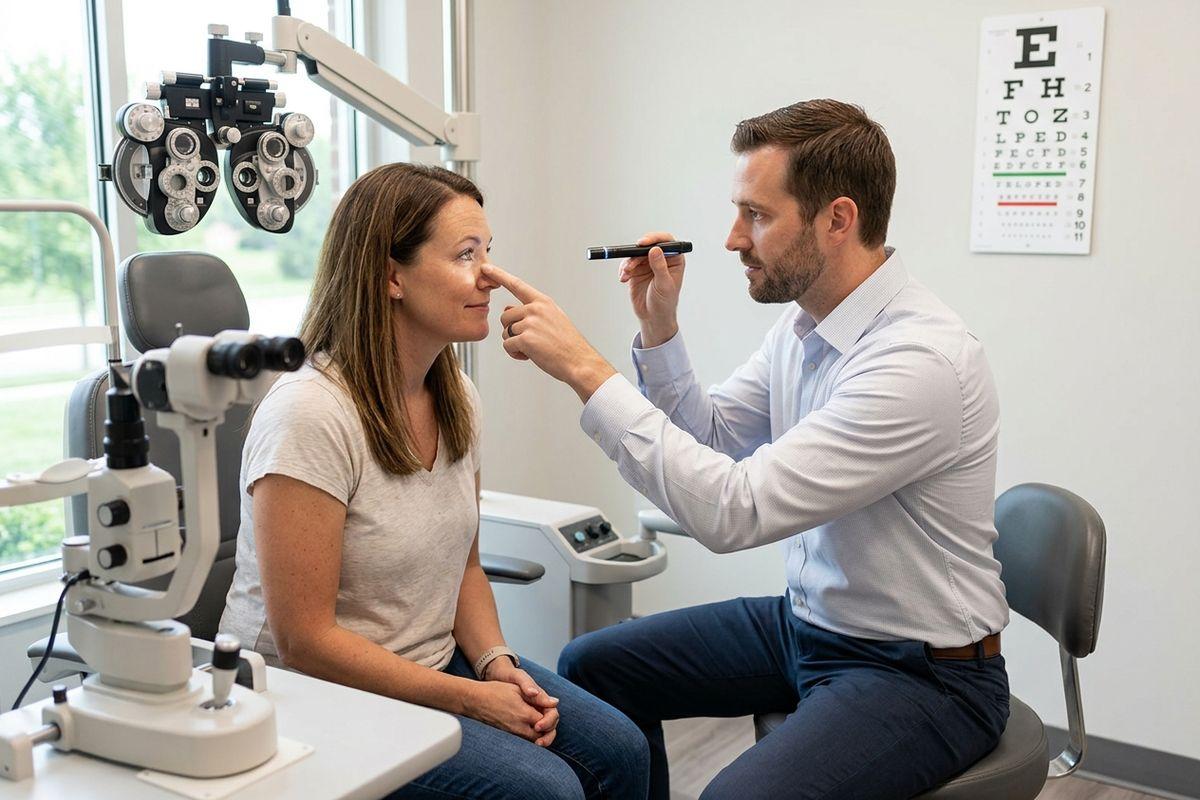
Diagnosing meibomian gland dysfunction begins with a detailed conversation about your daily visual experiences. Your eye doctor will ask how symptoms impact activities like reading, driving, and screen work to build a clear picture of how your eyes respond to daily demands.
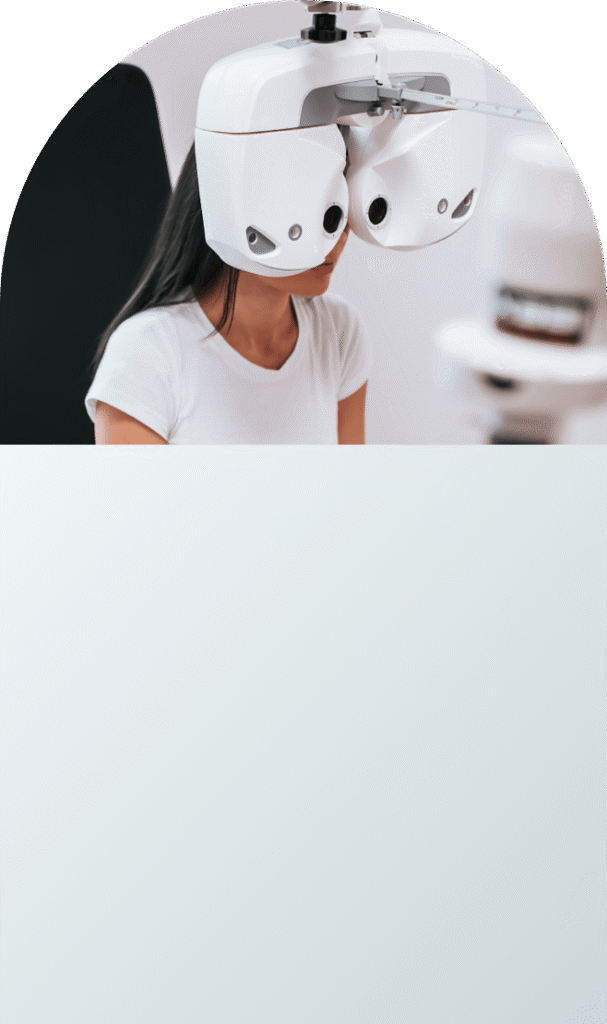
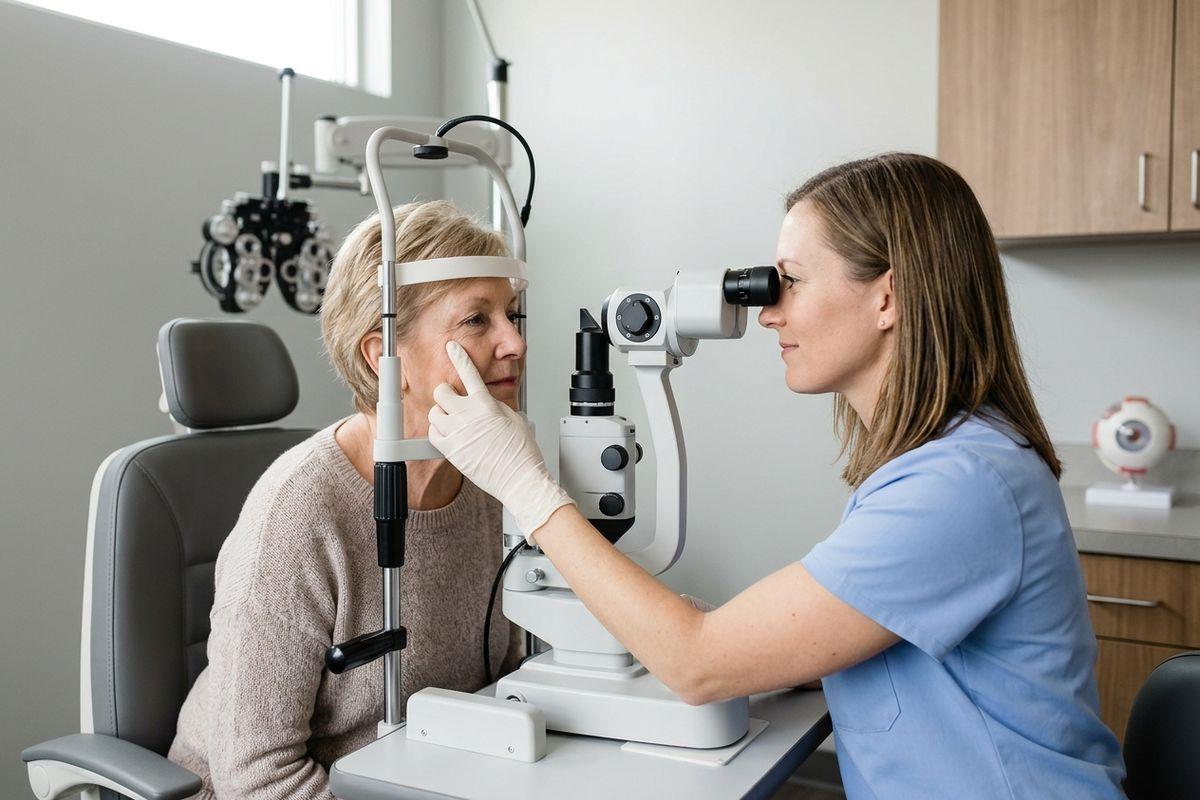
Next comes a physical examination. Using a slit lamp, a high-magnification microscope with a bright, specialized light, your optometrist takes a close look at your eyelid margins and gland openings. Meibography imaging is often used to capture detailed scans of your gland structure, allowing our team to visualize blockages, shortening, or gland atrophy.
Tests That Measure Your Tears
A few quick, noninvasive diagnostic tests round out the evaluation:
- Tear breakup time test: Measures how long your tear film remains stable and continuous across the eye surface before evaporating.
- Tear osmolarity test: Checks the salt concentration of your tears to determine if they are becoming too salty or hypertonic due to rapid evaporation.
- Inflammation marker test: Detects specific inflammatory enzymes on the ocular surface that signal active irritation and cellular stress.
Treatment Options
Care for MGD usually starts small and builds from there. Working with your eye doctor, you can find a plan that fits your routine.
Simple At-Home Care
Small daily habits go a long way, including:
- A warm compress on your closed eyes to soften the trapped oil.
- Gentle eyelid cleaning each day to keep the gland openings clear.
- Omega-3 foods like salmon.
- The 20-20-20 rule, where every 20 minutes of screen use you look 20 feet away for 20 seconds.
In-Office Treatment Options
When home care needs a boost, our team can offer further relief, including:
- Prescription drops that help calm inflammation.
- Thermal pulsation that warms and clears the blockages.
- Intense pulsed light (IPL) therapy to support gland function.
What to Expect Long Term
MGD tends to stay manageable with steady care. Early treatment helps protect your gland function before problems grow. Most people do well with follow-up visits every 6 to 12 months to keep things on track.
Find Relief Today
At Advanced EyeCare Center P.C., our team blends modern technology with a calm, welcoming space to help your eyes feel their best through work, family, and everything in between. Contact our office in Urbandale to schedule your eye exam today and take the next step in your eye care journey.