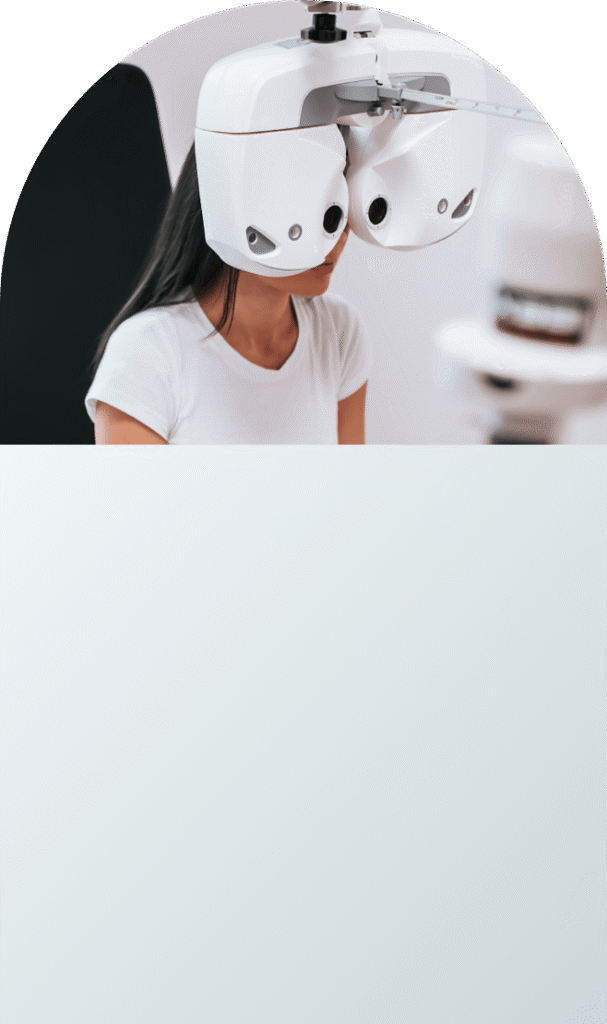

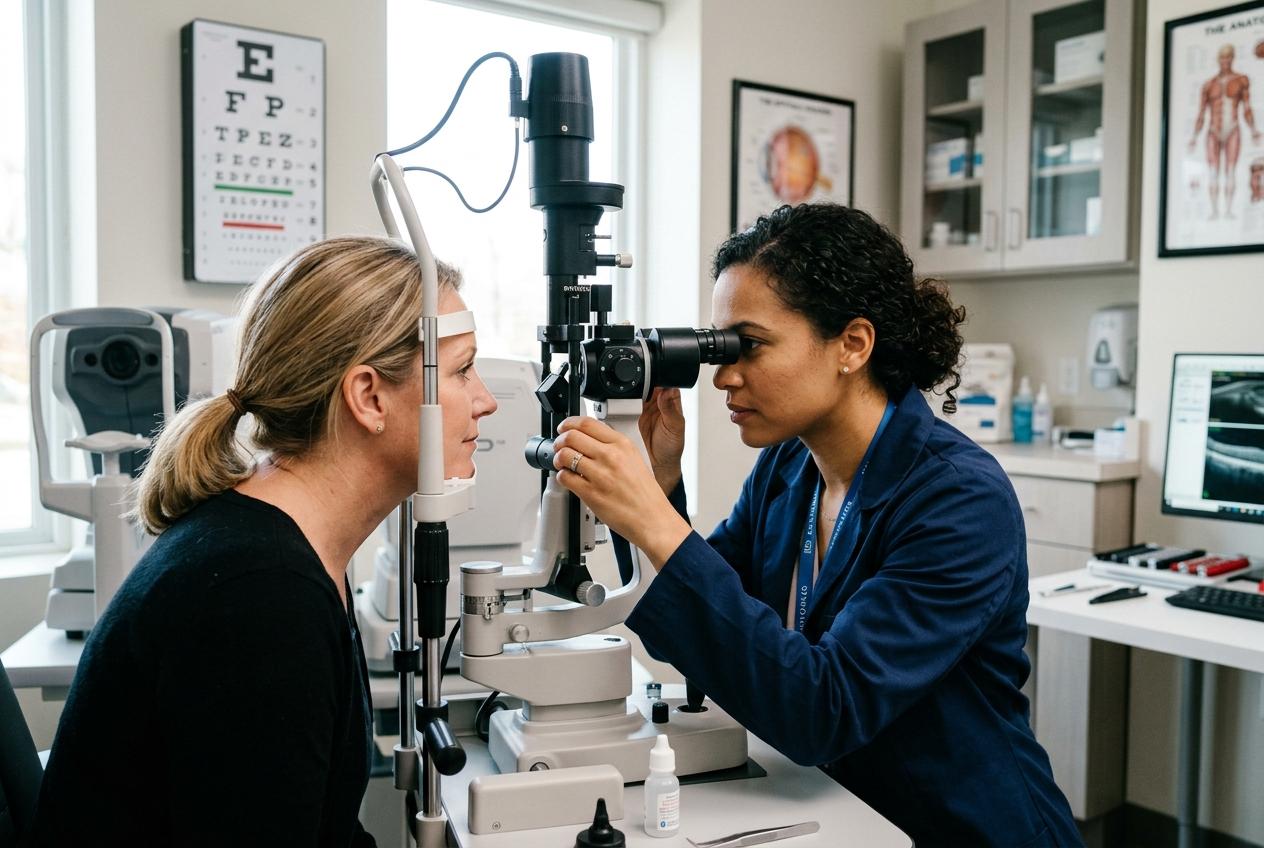
When you think about your annual eye exam, you probably focus on whether you need new glasses or contacts. However, your eyes serve as windows into your overall health, revealing signs of serious conditions long before you feel any symptoms.
Your eye doctor can detect many different diseases during a routine exam, from diabetes and high blood pressure to brain tumors and autoimmune disorders. And diagnosing these issues early helps protect your vision while preserving your general health.
Eye Conditions Your Optometrist Can Spot Early
Several sight-threatening conditions develop without any obvious warning signs. An optometrist monitors for these hidden issues during your visit.
Glaucoma often shows no symptoms until you’ve already lost significant vision, but pressure testing and optic nerve examination can catch it early. Starting treatment promptly can prevent further damage.
Macular degeneration affects your central vision and becomes more common after age 50. Retinal imaging reveals tiny changes in your macula before you notice any vision problems. Early treatment can slow progression significantly.
Diabetic retinopathy damages the blood vessels in your retina, even if your diabetes seems well-controlled. A detailed retinal examination shows bleeding, swelling, or abnormal blood vessel growth that signals this complication. Diabetic eye exams help monitor these changes over time.
Systemic Health Issues Revealed Through Your Eyes
Your eyes contain a complex network of nerves and blood vessels. This makes them highly sensitive to internal changes within your body.
Diabetes and Blood Sugar Problems
Your retina contains tiny blood vessels that react quickly to high blood sugar levels. These vessels can leak, swell, or develop abnormal growth patterns that your eye doctor spots during examination.
You might have diabetes for years without knowing it, but changes in your retinal blood vessels often appear early. Some patients learn about their diabetes during routine eye exams before any other symptoms develop. Diabetes affects eye health in multiple ways, making regular monitoring helpful.
High Blood Pressure Detection
High blood pressure damages blood vessels throughout your body, including the delicate vessels in your eyes. An optometrist can easily see narrowed, kinked, or leaking vessels that indicate circulation problems.
These retinal changes often appear before you experience headaches or chest pain. Early identification helps you work with your primary care doctor to prevent heart attacks or strokes.
Neurological Conditions Found During Eye Exams
Your optic nerve connects directly to your brain, making eye exams valuable for detecting neurological problems. Multiple sclerosis often begins with optic nerve inflammation that affects your vision or can cause eye pain.
Brain tumors can press against your optic nerve or affect the brain areas controlling vision. This pressure creates specific patterns of vision loss that your eye doctor recognizes during visual field testing.
Blood vessel changes in your retina can indicate increased stroke risk. Your optometrist can analyze vessel patterns and identify circulation problems that need immediate attention from other specialists.
Other Surprising Health Problems Your Eyes Can Reveal
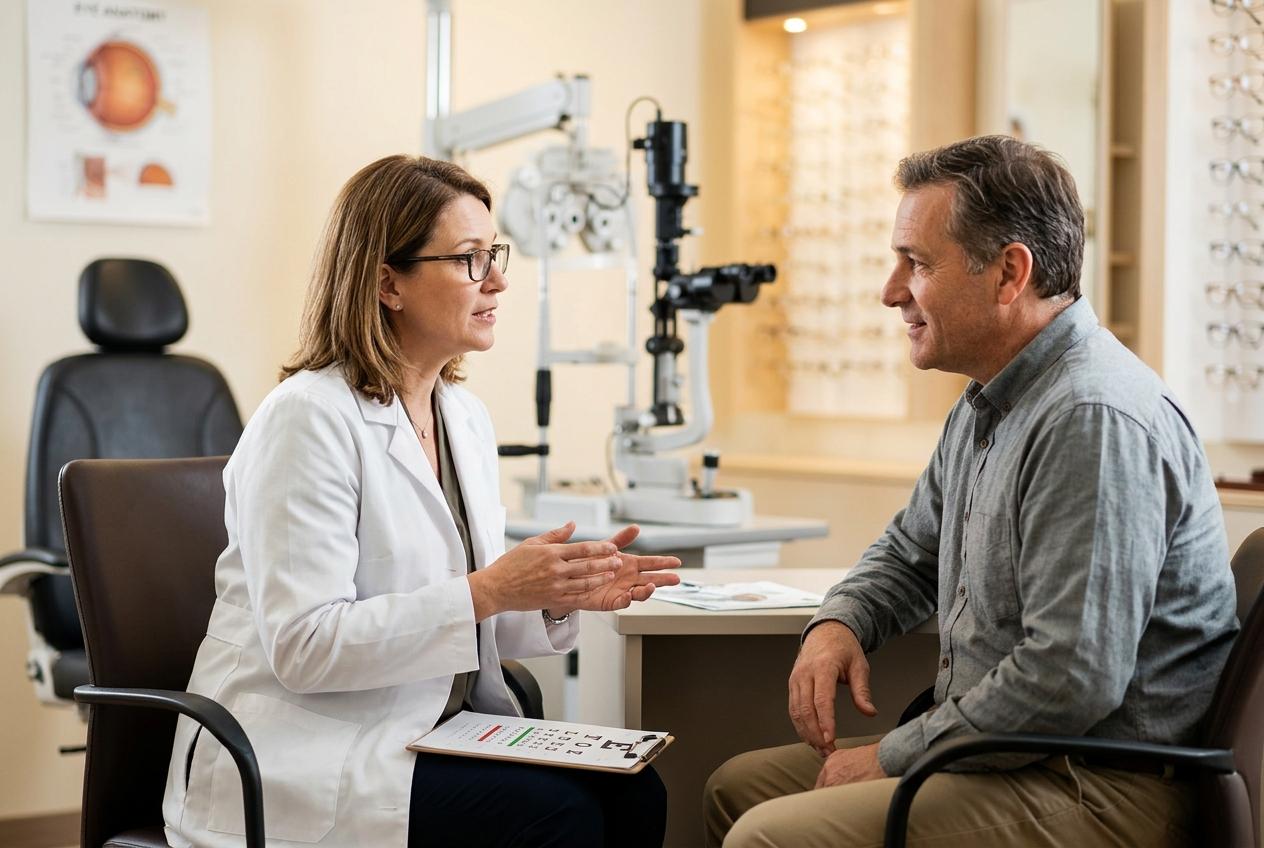
The physical state of your eyes gives away clues about several other internal systems. Liver disease often shows up as yellowing in the whites of your eyes before you notice it anywhere else. This early sign helps detect liver problems when treatment is most effective.
Autoimmune disorders like rheumatoid arthritis or lupus frequently affect your eyes, creating inflammation, dryness, or changes in eye tissues. These signs can appear months before joint pain or other symptoms develop.
Thyroid problems affect the muscles and tissues around your eyes, creating bulging, double vision, or eyelid changes. Your eye doctor can spot these changes and recommend hormone testing when needed.
Ultimately, comprehensive eye exams can detect over 270 health conditions.
Seeing the Big Picture for Your Health
Many serious eye conditions develop without any warning signs you can feel. Glaucoma, macular degeneration, and diabetic retinopathy can steal significant vision before you realize something’s wrong.
Treatment for most eye conditions works much better when started early. Medications that preserve vision today might not help if you wait until symptoms appear. Take control of your well-being through proactive monitoring with regular eye exams.
When your optometrist finds signs of health problems, we can connect with the right specialists quickly. This teamwork between healthcare providers gives you the comprehensive care you need. Your whole family benefits from this preventive approach to health care.
Schedule a comprehensive eye exam with Advanced EyeCare Center P.C. and protect your overall health today.